
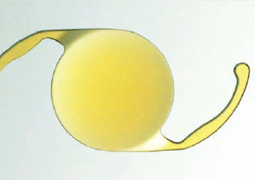

Purpose: The present study assesses the anterior-posterior shift of the AcrySof SP intraocular lens in the eye between the third and fifteenth month after surgery.
Methods: The observed set contained a total of 241 eyes operated for cataract at Beskydské oční centrum (Beskydy Eye Centre; BOC), Frýdek-Místek hospital from 7 February 2007 to 7 April 2010. All surgeries were performed through microcoaxial phacoemulsification and a 2,2 mm incision, with intraocular lens (IOL) AcrySof type SP implanted. For each eye, we examined BCVA, as well as anterior chamber depth by optical biometry (IOL-Master, Carl Zeiss GmbH, Jena), 3 and 15 months after
the surgery. Average depths were calculated and compared; and their variations converted from mm to diopters. Based on the BCVA results, we were able to determine optimum dioptric power of the IOL, which should have been implanted in the eye to ensure postoperative emmetropia. Averages of all values were calculated and results thereof compared.
Results: We noted a slight average deepening of the anterior chamber depth (0,03 mm) causing a hypermetropic shift of 0,05 D, insignificant in terms of refraction. Though comparison of average optimum IOL values calculated based on examinations carried out 3 and 15 months after surgery, we ascertained an actual zero difference between the two values.
Conclusion: Through our own calculations, we verified very good stability of the implanted hydrophobic acrylic SP AcrySof lenses in our set, with zero haptic angulation. There is de facto no anteriorposterior shift of the IOL between 3 and 15 months after surgery, and therefore no change in refraction noticeable by the patient.